 Cozaddale Baptist Temple - go to
homepage
Cozaddale Baptist Temple - go to
homepage
- About
Us
-
Our Beliefs
Our Lineage
Our Calendar
Church Leadership
God's Plan of Salvation
Weekly Schedule & Services
-

Heritage is important
The history of Cozaddale Baptist Temple is chronicled by Pastor Rick Sallee in his book Cozaddale Baptist Temple - A History.
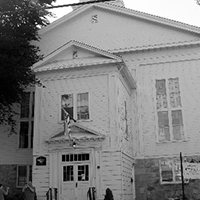
First Baptist Church
1638/1644-Present
While our church was organized in 1967, it's history on American soil can be accurately traced back to 1638 where the first Baptist church in America was begun by Dr. John Clarke, in Newport, Rhode Island. Dr. Clarke was a physician, minister, statesman, and pioneer of religious liberty. He was born in England, but came to America. He is the author of the first constitution guaranteeing religious liberty. (We do not believe that Rodger Williams started the first Baptist church as some historians claim because he only had Baptist tendencies and the method by which he started his church was not patterned after the New Testament.) Dr. Clarke and Obadiah Holmes pastored this church. When Dr. Clarke was traveling, Obadiah Holmes would pastor. Brother Holmes pastored after Dr. Clarke's death, until his own passing in 1681.
Cold Spring Baptist Church
1684-1702
In 1684, First Baptist Church, RI, began Cold Spring Baptist Church in Bucks County, Pennsylvania. Thomas Dungan came to America from Ireland because of Baptist persecution. He joined Dr. Clarke's church after arriving in America and was later dismissed to go to Cold Spring, Bucks County, Pennsylvania. Dungan was the only pastor of this church and after his passing, the church was dissolved and many of the remaining members joined the Piscataway Baptist Church. However, during their time, they began Pennepack Baptist Church, which became known as the mother of all Baptist churches in New Jersey and Pennsylvania.
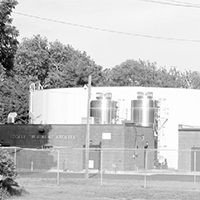
Pictured, is the believed site of Cold Spring Baptist Church. This church never met in a formal building, but on the family farm of Pastor Dungan, where there was a natural spring; hence its name.
Pennepack Baptist Church
1688-Present
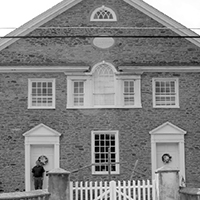
After having arrived in Pennsylvania in 1688, Elias Keach, described as a wild scamp, was preaching in Pennepack, PA. While preaching, he became so convicted that he confessed to the crowd that he was not saved. It was suggested that he speak with Thomas Dungan. Mr. Dungan led him to Christ and baptized him. When Mr. Keach returned to Pennepack, he continued preaching. Souls were saved and a church was constitued in 1688. Pennepack Baptist Church is still in existence today.
Piscataway Baptist Church
1680-Present
Piscataway Baptist Church was organized as an independent church in 1689 after having been a branch of Pennepack Baptist Church. No records exists of this church until 1781, however, the origin and history of Piscataway can be found in records of churches started around it. The early records were either destroyed by British soldiers during the Revolutionary War or by a disgruntled church clerk. No one knows for certain. John Drake pastored this church for 50 years beginning at the time of the church's organization. Today, the church is known as Stelton Baptist Church.
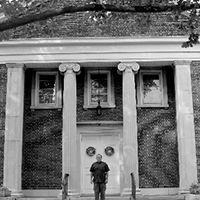
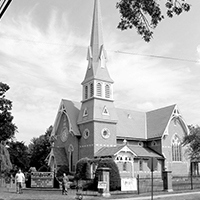
Scotch Plains Baptist Church
1747-Present
Fifteen members of Piscataway Baptist Church were living in Scotch Plains, New Jersey. Land conditions made it especially difficult for these members to travel to Piscataway to attend church. The area was still under the control of the King of England. There were no adequate means of communication or transportation. So, these members requested to be dismissed from Piscataway to form a church in Scotch Plains. Having received permission from Piscataway to begin a church in Scotch Plains, they met and organized a church in 1747. Benjamin Miller of Piscataway became their pastor.
First Baptist Church New York
1762-Present
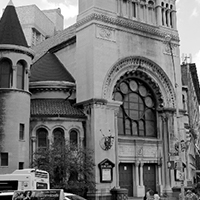
Jeremiah Dodge, in 1745, moved to New York and opened his house as a place of worship. He was a member of Fishkill Baptist Church. As the mission work continued through the years, they decided to become a branch of the Scotch Plains Baptist Church. The work continued to grow. In 1762, the mission organized as First Baptist Church New York. John Gano became the pastor of this church. During the Revolutionary War, the building was nearly destroyed by the British. However, after the war, John Gano returned to the city, and along with 37 other members, restored the church, and grew its membership to 200. The church is still in existence today.
Columbia,
Duck Creek
Hyde Park Baptist Church
1790-Present
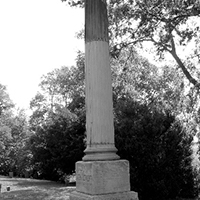
The year 1790 saw a new church form in the Ohio Valley. In the years prior to this, John Cleves Symmes and his business partners attempted to purchase one million acres from the U.S. government. The deal fell through, but they were able to obtain 248,000 acres from the Northwest Territory. Captain Benjamin Stites purchased from Mr. Symmes ten thousand acres a year or two later. Captain Stites was a member of Scotch Plains Baptist Church. He and about 30 others left Scotch Plains to settle this newly acquired land. In 1790, they met for the purpose of organizing a church. The Columbia Baptist Church was constitued under Stephen Gano and the authority of First Baptist Church in New York. It was begun in Columbia, only five miles from present day Cincinnati. A monument exists at the Pioneer Park across from Lunken Airport in Cincinnati, OH, in tribute to the Baptists of this newly founded church. (The Lord allowed our church and the Baptist History Preservation Society to place a marker at this site telling the history of the marker and the church that was started here.) The church moved from Columbia to Duck Creek and Edwards Roads in 1808. The church moved again to Mt. Lookout and finally to Hyde Park in 1904. The name became Hyde Park Baptist Church.
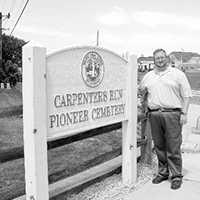
Carpenter's Run Baptist Church
1797-Circa 1828
Carpenter's Run Baptist Church began in 1797. Several families began to branch out up the Little Miami River and requested letters of dismissal from Columbia Baptist Church. This church existed until 1828.
Springfield,
Lockland,
Landmark Baptist
1798-Present
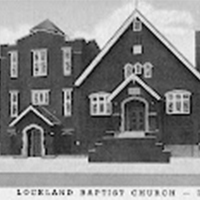
Two members, Henry and Mary Tucker, from Carpenter's Run were dismissed to assist in the organizing of Springfield Baptist Church. After it's organization, the church moved to Lockland and was given the name Lockland Baptist Church. It moved again in 1962 to their present location and were renamed Landmark Baptist Temple.
Blue Ash Baptist Church
1942-Unknown
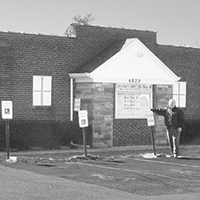
Blue Ash Baptist Church was begun in 1942. Twenty members from Lockland Baptist Church, as well as members from other Baptist churches that had received letters of dismission, organized this church. At some point, this church merged with Winslow Baptist Church to form Creek Road Baptist Church.
Highpoint Baptist Church
1954-Circa 2004
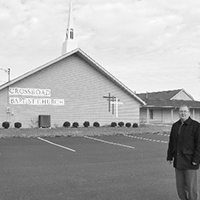
Blue Ash Baptist Church started a mission work called Highpoint Baptist Church at the location of the present day Crossroad Baptist Church. Highpoint Mission was organized into a church in 1954.
Socialville Baptist Church
1962-Present
In 1962, several members felt led to leave Highpoint Baptist Church and to establish Socialville Baptist Church. According to church records and accounts from the charter members, there had been a disagreement with some members of the Highpoint Baptist Church. They left the church and chartered Socialville Baptist Church. This was not a true, local New Testament church because of the circumstances under which it was formed until members of Socialville Baptist agreed to meet with the men of Highpoint Baptist over this dissension. The meeting was well attended by both churches and in an attitude of Christian friendship, they all expressed their desire to promote the Lord's work. Fellowship was restored between these two churches and Socialville Baptist went on in the Lord's work, now with proper authority.
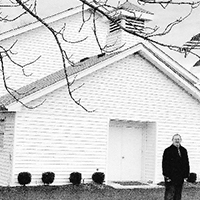
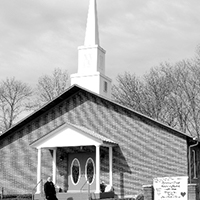
Loveland Park
Baptist Church
1964-Present
Loveland Park Baptist Church was started out of the Socialville Baptist Church. Socialville called a meeting to discuss a work in Loveland, OH. Mitt Richardson let the church knowing that he had been led of the Lord to start a work in Loveland Park. He was sent to begin this work. In 1964, Socialville granted letters to Loveland Park Baptist Church to constitute it as an organized church.
Cozaddale Baptist Temple
1967-Present
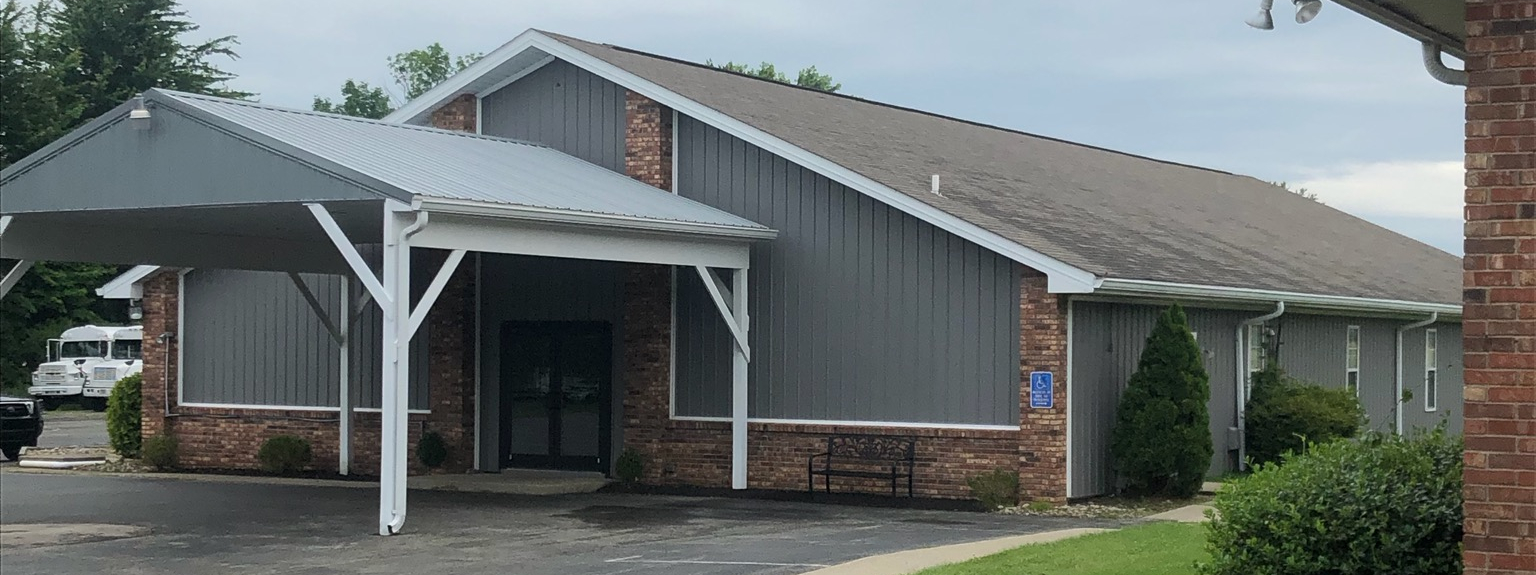
Cozaddale Baptist Temple was begun in 1967. Our first pastor, Charles Girvin, was a faithful member of Loveland Park Baptist Church. He and his family were one of the first families to join Loveland Park. The Lord began burdening his heart to plant a church in an area that needed a church, closer to his home. It is unclear how long that first group of people met before the work was organized. However, on December 3, 1967, the Cozaddale Baptist Temple became an autonomous work. The church started in the basement of a store in Cozaddale, OH (minutes from Goshen, OH). After the store closed, the church moved upstairs. Eventually, one of their members, Bro. Bob Spencer gave the church 10 acres, just two minutes from their original meeting location to build a church and have room to expand.
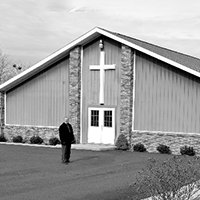
Today, Cozaddale Baptist Temple has been able to purchase the remaining acreage behind our church for more local growth. We have seen the Lord bless with faithful members, souls saved and baptized, and spiritual growth. We have seen churches and mission works started in Europe, Mexico, Arizona, Hillsboro, Cincinnati, and Colorado, with plans of starting other churches as the Lord leads. We are blessed to have such a rich history extending back to the first Baptist church in America.